
Fiber Is the Macro We’ve Been Ignoring 🙁
For the past decade, protein has enjoyed celebrity status. Scroll social media and you’ll see endless reminders to “hit your protein,” stack your smoothies, and count your grams. Protein matters — especially for maintaining muscle as we age — but there’s a quieter nutrient that deserves equal billing.
That nutrient is fiber.
If we’re going to talk about “macros” — carbohydrates, fats, and protein — then fiber should be recognized as a functional macro. Not because it provides calories (it doesn’t, directly), but because it fundamentally regulates metabolism, gut ecology, inflammation, blood sugar, hormones, and long-term disease risk.
And most people are dramatically under-consuming it.
The Fiber Deficit
The average American consumes about 15–18 grams of fiber per day. Optimal intake? Closer to 35–40 grams daily for most adults.
That gap isn’t small. It’s a structural dietary shift that has happened over one generation — as ultra-processed foods displaced beans, whole grains, and bitter greens.
Fiber isn’t just “roughage.” It is fuel for beneficial gut bacteria, a regulator of blood glucose, a modulator of estrogen metabolism, a cholesterol-lowering compound, an extremely effective satiety enhancer, a longevity factor 🙂 Who doesn’t want that?
When your gut microbes ferment fiber, they produce short-chain fatty acids like butyrate — compounds linked to lower inflammation, stronger intestinal lining integrity, and improved metabolic resilience. Fiber builds internal stability.
Protein is essential for muscle repair, immune function, and enzyme production. Particularly after age 40, adequate protein intake helps counteract sarcopenia (age-related muscle loss).
But here’s the problem:
Many high-protein diets are low in fiber. Long term this is devastating to gut health. A low-fiber, high-protein pattern can slow digestion and disrupt the microbiome. This will Increase constipation and raise inflammatory metabolites in the colon. The goal isn’t “protein or fiber. The goal is fiber-forward protein.
Why 40 Grams Is a Smart Target
Aiming for 40 grams daily:
- Stabilizes blood sugar (less cortisol-driven hunger)
- Improves bowel regularity
- Enhances microbial diversity
- Supports healthy weight maintenance
- Improves lipid profiles
- Promotes fullness naturally
But here’s the key: increase slowly. Jumping from 15g to 40g overnight will likely cause bloating and gas. The microbiome needs time to adapt.
How to Increase Fiber Safely
- Add 5 grams per week
- Hydrate generously
- Include fermented foods
- Chew thoroughly
- Rotate fiber sources
Within 6–8 weeks, 35–40 grams can feel effortless. Yay!
High-Fiber + High-Protein Foods – They Do Exist!
These foods build muscle and feed your microbiome:
1. Lentils
~15g fiber + 18g protein per cooked cup
Excellent for gut health and iron status.
2. Chickpeas
~12g fiber + 14g protein per cup
Versatile for salads, stews, hummus.
3. Black Beans
~15g fiber + 15g protein per cup
Support steady blood sugar.
4. Tempeh
~6g fiber + 20g protein per serving
Fermented soy supports digestion.
5. Hemp Seeds
~10g protein + 2g fiber per 3 tbsp
Complete plant protein; easy to add to bowls.
6. Chia Seeds
~10g fiber + 5g protein per 2 tbsp
Powerful prebiotic effect.
7. Edamame
~8g fiber + 18g protein per cup
Excellent for muscle maintenance.
8. Oats
~8g fiber + 10g protein per cup (dry)
Beta-glucan fiber improves cholesterol markers.
Muscle Maintenance and Aging: Why Fiber Still Matters
As we age our gut diversity declines unless we actively take care of ourselves. Our insulin sensitivity changes as well, and possibly our inflammation rises and muscle mass decreases. Adequate protein stimulates muscle protein synthesis and adequate fiber improves metabolic terrain.
Together, they support insulin efficiency and improve nutrient absorption. This will reduce systemic inflammation and enhances recovery. Fiber is the infrastructure that allows protein to do its job efficiently.
A Sample Day at ~40g Fiber (Plant-Forward)
Breakfast:
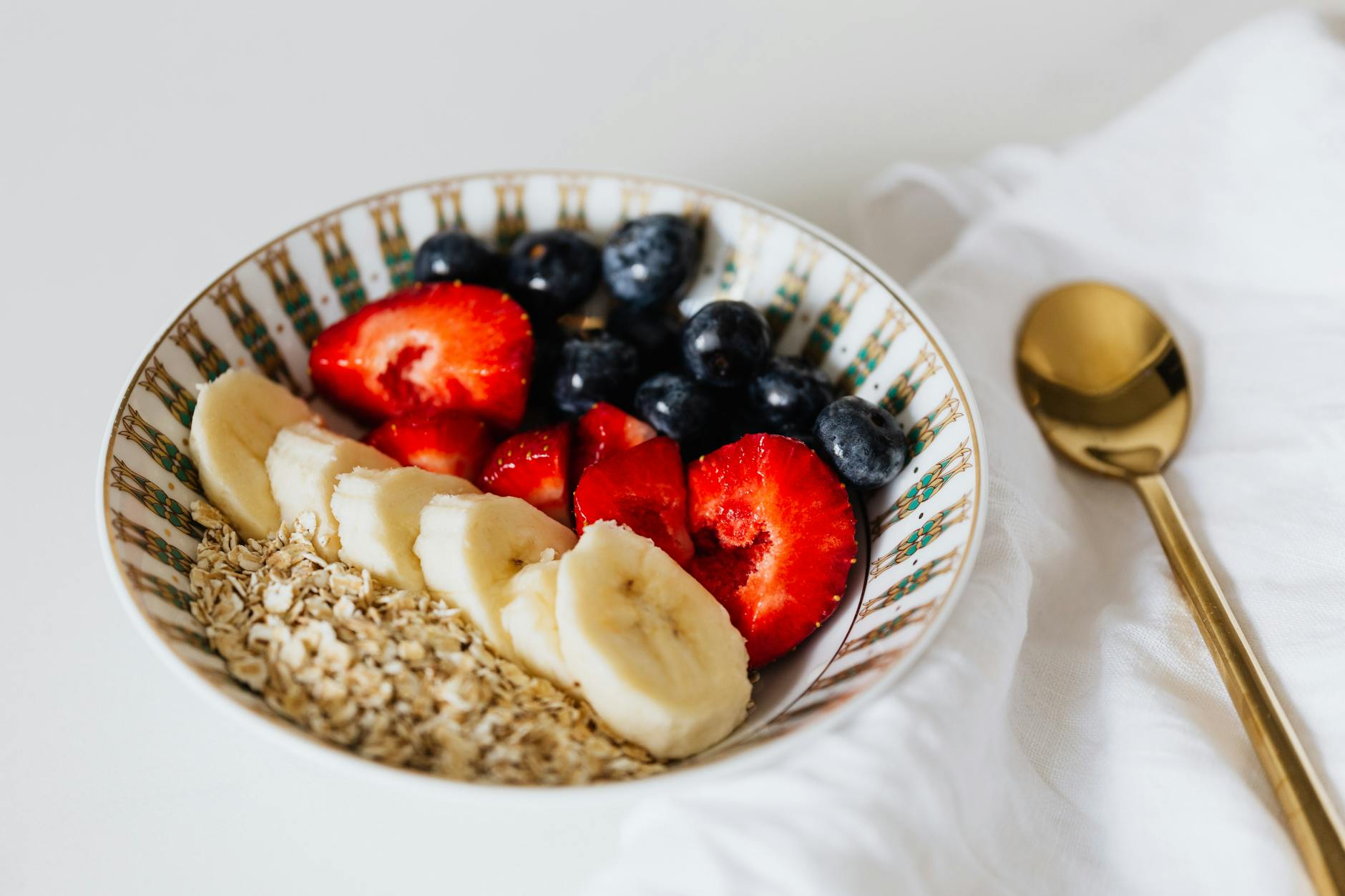
Overnight oats with chia seeds, hemp seeds, blueberries
→ ~15g fiber
Lunch:
Lentil + arugula salad with roasted vegetables
→ ~14g fiber
Snack:
Apple with almond butter
→ ~5g fiber
Dinner:
Chickpea and vegetable curry over brown rice
→ ~8–10g fiber
Total: ~42g fiber
Protein: ~75–90g (depending on portions)
This is fully achievable on a whole-food, plant-forward diet — and yes, it supports muscle preservation.
Here is the takeaway 🙂
- Aim for 35–40g fiber daily
- Increase gradually
- Pair protein with fiber-rich foods
- Prioritize whole plants over isolated protein powders
- Support your gut first — muscle follows
The wellness industry crowned protein king. But fiber is the quiet architect of long-term vitality. Reach out to find out how to eat a fiber forward high protein diet.