Dinacharya, Herbal Remedies, and Daily Rituals to Calm Kapha and Breathe Easier
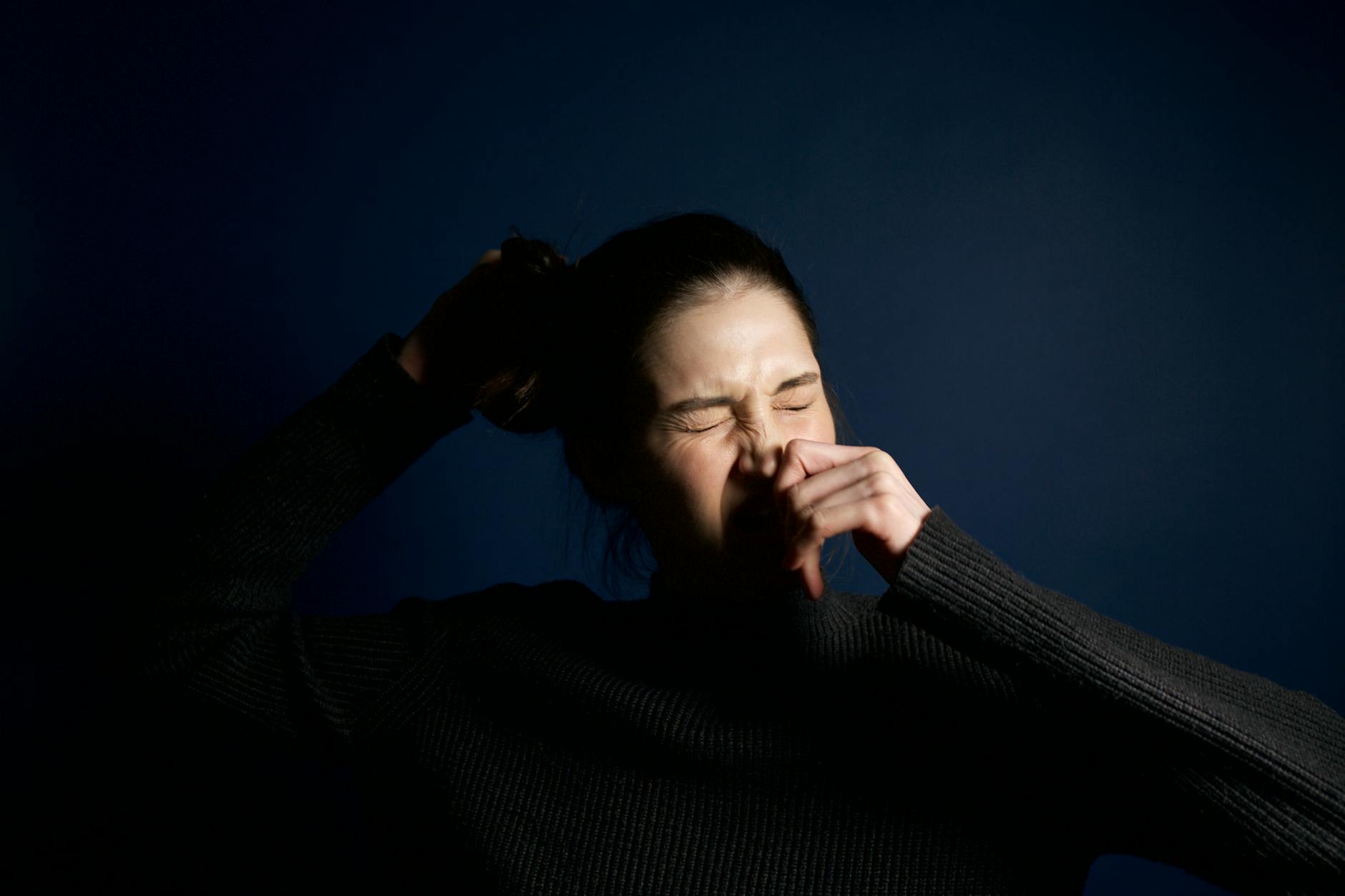
Every year as winter loosens its grip, the natural world wakes up. Trees bud, grasses grow, flowers bloom… and suddenly noses run, eyes itch, and sinuses feel like they’re stuffed with cotton.
In modern medicine this is simply called seasonal allergies. In Ayurveda, it is understood as a Kapha imbalance triggered by the transition from the cold dryness of winter into the damp heaviness of spring.
Spring is the season when stored Kapha begins to melt and move, much like snow turning into slush. That same process happens in the body—mucus begins to liquefy, sinuses fill, and congestion appears.
The good news? Ayurveda has been helping people navigate seasonal transitions for thousands of years through daily rituals (Dinacharya), herbal support, and gentle detox practices.
If you struggle with seasonal allergies, small daily habits can dramatically reduce symptoms and help your body adapt to spring more gracefully.
Why Spring Triggers Allergies According to Ayurveda
In Ayurvedic physiology, winter allows Kapha dosha to accumulate in the body. Kapha is associated with: mucus, heaviness, fluid retention, sluggish digestion and congestion. When spring warmth arrives, Kapha begins to liquefy and overflow, often showing up as sinus congestion, sneezing, watery eyes, fatigue, brain fog and of course, post-nasal drip.
The Ayurvedic goal during spring is simple:
Lighten, dry, warm, and stimulate the body so excess Kapha can move out rather than stagnate.
This is where Dinacharya (daily routine) becomes incredibly powerful.
The Best Daily Ayurvedic Routine for Allergy Season
1. Wake Before Kapha Time
Spring allergies worsen when we sleep late.. Kapha time of day is 6–10 AM, when heaviness and mucus naturally increase. Waking earlier (around 5:30–6 AM) helps prevent mucus buildup and supports natural detox pathways. Morning movement and warmth are key. You got this!
2. Scrape the Tongue
Overnight the digestive system releases toxins (ama) that accumulate on the tongue. Using a tongue scraper each morning: removes ama, improves digestion, reduces mucus production and improves breath. This simple ritual is foundational in Ayurvedic oral hygiene.
3. Nasal Rinsing (Jala Neti)
One of the most powerful allergy tools in Ayurveda is Jala Neti, the practice of rinsing the nasal passages with warm saline water.
Benefits include:
- removing pollen and dust
- clearing mucus
- reducing inflammation
- improving breathing
After rinsing, apply a few drops of nasya oil to protect and lubricate the sinuses.
👉 Recommended Nasya Oil:
[Kerala Ayurveda Nasya Oil]
4. Oil Pulling for Sinus and Immune Support
Swishing warm sesame or coconut oil for 5–10 minutes helps:
- reduce oral bacteria
- support sinus drainage
- strengthen immune function
- reduce inflammation
Spit the oil out and rinse with warm water.
5. Dry Brushing (Garshana)
Spring is the perfect season for dry brushing, known in Ayurveda as Garshana.
Using a silk glove or natural brush:
- stimulates lymphatic drainage
- improves circulation
- reduces sluggish Kapha
- encourages detoxification
Always brush toward the heart before bathing.
6. Drink Warm Digestive Tea
Cold smoothies and iced drinks aggravate Kapha and worsen congestion.
Instead, start the day with warm herbal teas such as: (feel free to combine if you like)
- ginger
- tulsi
- black pepper
- turmeric
- cinnamon
- licorice
7. Eat Light, Warm, and Spiced Foods
Diet plays a major role in allergy symptoms.
To reduce mucus production, focus on foods that are:
Light, warm, and slightly drying
- steamed vegetables
- leafy greens – plenty of them!
- lentils and mung beans
- ginger
- garlic
- turmeric
- barley
- millet
Reduce or avoid during allergy season:
- dairy
- cold smoothies
- heavy wheat products
- fried foods
- excess sugar
- alcohol
- caffeine
These foods increase Kapha and mucus production, this is exactly what you don’t want 🙂
Ayurvedic Herbs That Help with Seasonal Allergies
Ayurveda offers powerful herbal support that works by reducing inflammation, improving digestion, and clearing respiratory channels.
Turmeric
One of Ayurveda’s most celebrated anti-inflammatory herbs.
Turmeric helps:
- calm allergic inflammation
- reduce sinus swelling
- support liver detoxification
- regulate immune responses
👉 [Kerala Ayurveda Turmeric Capsules]
Tulsi (Holy Basil)
Tulsi is considered an adaptogenic herb that supports respiratory health.
Benefits include:
- reducing allergic reactions
- clearing congestion
- supporting immune resilience
- calming stress
👉 [ Kerala Ayurveda Tulsi Capsules]
Trikatu
Trikatu is a blend of:
- ginger
- black pepper
- long pepper
It works by kindling digestive fire (Agni) and reducing Kapha accumulation.
Benefits include:
- improved metabolism
- reduced mucus
- better nutrient absorption
- respiratory support
Pranayama Practices That Clear Allergies
Breathwork is a powerful way to open the sinuses and regulate the nervous system.
Helpful practices include:
Kapalbhati (Skull Shining Breath)
Helps expel stagnant mucus from the nasal passages.
Bhastrika (Bellows Breath)
Stimulates circulation and clears respiratory channels.
Nadi Shodhana (Alternate Nostril Breathing)
Balances the nervous system and promotes nasal airflow.
Even 5 minutes daily can noticeably improve breathing.
Gentle Detox for Spring
Spring is traditionally the season of cleansing in Ayurveda.
A gentle seasonal reset may include:
- warm water with lemon in the morning
- lighter meals
- herbal digestive support
- short mono-diet resets (such as kitchari)
This allows the body to clear accumulated Kapha and reduce allergy severity.
Lifestyle Habits That Reduce Allergy Symptom
Small habits can make a surprising difference. For example:
- shower after spending time outdoors
- wash hair frequently during high pollen days
- keep windows closed on high pollen days
- use a humidifier at night
- practice daily movement or yoga
Even a short morning yoga practice that includes twists and chest openers can support lymphatic flow and respiratory function.
The Ayurvedic Perspective on Seasonal Resilience
Rather than simply suppressing symptoms, Ayurveda teaches us to adapt to the rhythms of nature. Seasonal allergies are often the body’s signal that Kapha has accumulated and needs support to move out. With the right daily rituals, warming foods, herbal allies, and breath practices, the transition into spring can become far smoother. Instead of dreading allergy season, you may even begin to welcome it as a time for renewal and cleansing.