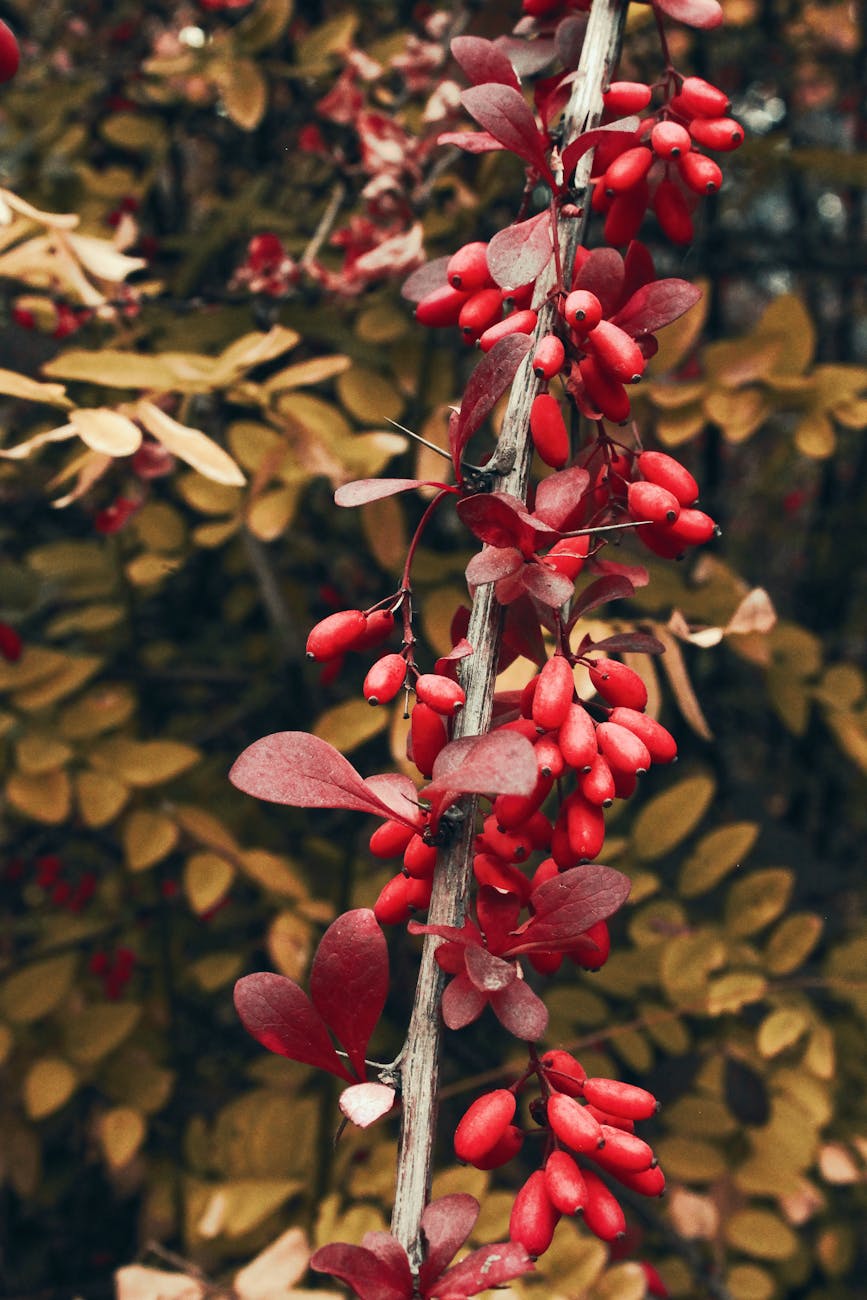
In the growing world of natural wellness, few compounds have gained as much attention as berberine. Known in Ayurveda as Daruharidra, this powerful plant compound bridges ancient wisdom and modern science—offering profound support for metabolism, digestion, and overall health.
But is berberine truly a miracle supplement? Or does it come with important considerations?
Let’s explore both.
What is Berberine (Daruharidra)?
Berberine is a bioactive compound extracted from several plants, including Berberis aristata, the Ayurvedic herb known as Daruharidra.
In Ayurveda, Daruharidra has been used for centuries to:
- Balance Pitta and Kapha doshas
- Purify the blood (rakta shodhana)
- Support liver and skin health
- Aid digestion and detoxification
Traditionally, it was used in herbal decoctions, pastes, and eye preparations.
Modern Science: How Berberine Works
Berberine’s popularity today comes from its ability to activate a key metabolic pathway called:
- AMPK (AMP-activated protein kinase) — often referred to as the “metabolic master switch”
This affects:
- Blood sugar regulation
- Fat metabolism
- Cellular energy production
Top Benefits of Berberine
1. Blood Sugar Balance
Berberine has been widely studied for its ability to:
- Improve insulin sensitivity
- Reduce glucose production in the liver
- Enhance glucose uptake in cells
Many studies show effects comparable to pharmaceutical interventions for type 2 diabetes.
2. Supports Weight Loss & Metabolism
Berberine may help:
- Reduce fat storage
- Improve metabolism
- Regulate hunger hormones
This makes it useful for individuals dealing with metabolic syndrome or stubborn weight gain.
3. Gut Health & Microbiome Support
Unlike many supplements, berberine acts as both:
- A natural antimicrobial
- A microbiome modulator
It may help reduce harmful bacteria while supporting gut balance—making it beneficial for:
- Bloating
- Dysbiosis
- IBS symptoms
4. Cardiovascular Health
Berberine has been shown to:
- Lower LDL cholesterol
- Reduce triglycerides
- Support healthy blood pressure
5. Anti-Inflammatory & Antioxidant Effects
Chronic inflammation is at the root of many diseases. Berberine:
- Reduces inflammatory markers
- Protects against oxidative stress
6. Skin & Liver Support (Ayurvedic Perspective)
In Ayurveda, Daruharidra is especially valued for:
- Acne and inflammatory skin conditions
- Liver detoxification
- Eye health (used in traditional formulations)
Ayurvedic Uses of Daruharidra
Daruharidra is described as:
- Tikta (bitter) and Kashaya (astringent)
- Cooling in nature
It is used for:
- Prameha (metabolic disorders including diabetes)
- Kushtha (skin diseases)
- Netra roga (eye disorders)
- Yakrit (liver imbalances)
It is often combined with herbs like:
- Turmeric
- Neem
- Triphala
Dosage & How to Take Berberine
Typical modern dosage:
- 500 mg, 2–3 times per day before meals
Ayurvedic use may differ depending on formulation (powder, decoction, extract).
👉 [Insert affiliate link for high-quality berberine or Daruharidra supplement]
Possible Side Effects & Contraindications
Berberine is powerful—and not for everyone.
Common Side Effects
- Digestive discomfort
- Constipation or diarrhea
- Cramping
Who Should Avoid Berberine?
- Pregnant or breastfeeding women
- Individuals on blood sugar medications (risk of hypoglycemia)
- Those taking antibiotics or medications metabolized by the liver
- People with low blood pressure
Drug Interactions
Berberine may interact with:
- Metformin
- Blood pressure medications
- Anticoagulants
- Cyclosporine
Always consult a healthcare provider before starting.
Berberine vs Ayurveda: Whole Herb vs Extract
Modern supplements isolate berberine—but Ayurveda emphasizes whole plant synergy.
Daruharidra in its natural form may:
- Be gentler on digestion
- Provide broader therapeutic effects
- Work better when combined with other herbs
How to Use Berberine in a Holistic Routine
For best results:
- Pair with a high-fiber diet (supports gut + blood sugar balance)
- Combine with mindful eating practices
- Support with pranayama and stress reduction
Berberine (Daruharidra) is one of the rare remedies that truly bridges ancient Ayurvedic wisdom and modern metabolic science.
It can be incredibly effective—but should be used intentionally, not casually.
Like many powerful herbs, it works best:
- In the right person
- At the right time
- In the right dose