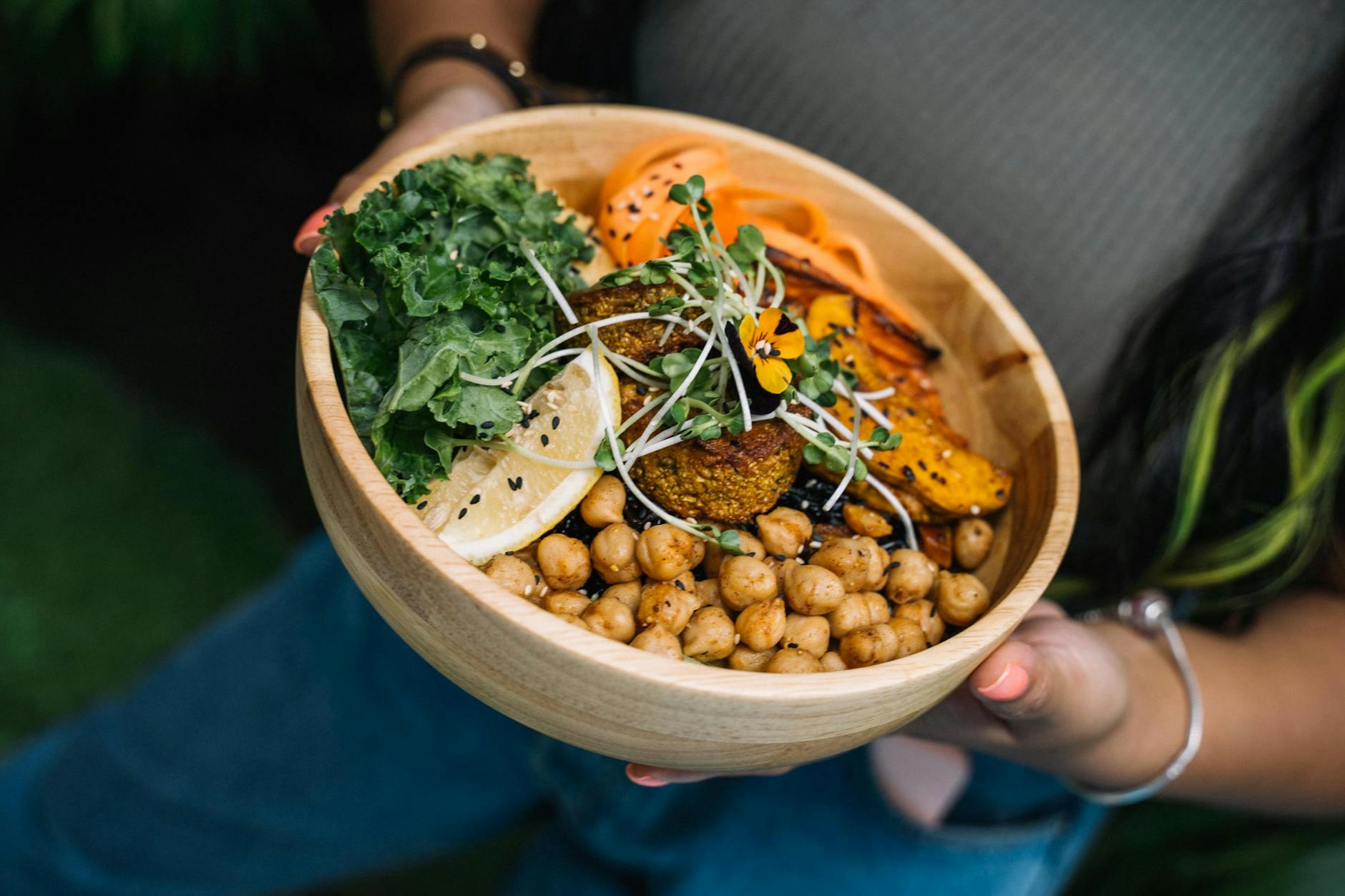

As autumn settles in and winter begins knocking on the door, the atmosphere becomes cooler, drier, and windier—the classic qualities of Vata dosha. In Ayurveda, this time of year is known for increasing Vata’s light, cold, mobile nature, which can leave the body feeling scattered, depleted, and more vulnerable to seasonal illness.
It’s no coincidence that flu season arrives right when Vata peaks. When Vata goes out of balance, the body’s agni (digestive fire) weakens, the mucous membranes dry out, and the immune system becomes less resilient. The good news: with intentional Vata-balancing routine and nourishment, you can strengthen your system from the inside out.
Below, we explore how to care for your body during Vata season—and why these grounding rituals directly support immunity during the colder months.
Why Vata Season Impacts Immunity
Vata is composed of air and ether, which govern movement, breath, the nervous system, and elimination. When Vata increases in the environment (fall and early winter), you may notice:
- Dry skin, lips, and sinuses
- Irregular digestion or bloating
- Sleep disturbances
- Anxiety or restlessness
- Feeling ungrounded or depleted
All of these can subtly weaken the body’s natural defenses.
From an Ayurvedic lens, immunity (ojas) is strongest when digestion is steady, sleep is deep, and the nervous system is calm. Vata imbalance disrupts all three, which is why grounding practices are essential during this season.
Ayurvedic Vata-Balancing Rituals for Immunity
1. Start the Day Warm: Hydrate + Lubricate
Sip warm water or ginger tea first thing in the morning to support digestion and lymphatic flow.
Add 1 tsp of melted ghee (or a tsp of sesame oil if you are vegan like me) to help lubricate the intestines and counter dryness—especially helpful in flu season.
Immunity benefit: Warm hydration keeps mucous membranes moist, making it harder for viruses to take hold.
2. Oil Massage (Abhyanga) for Calm + Resilience
Daily self-massage with warm sesame or almond oil is one of the most powerful ways to pacify Vata.
Benefits include:
- Strengthening the nervous system
- Improving circulation
- Reducing anxiety
- Supporting deeper sleep
Immunity benefit: A calmer nervous system boosts immune function, while oiling the skin helps protect against dryness and environmental stress.
3. Eat Warm, Soft, Nourishing Meals
To balance the cold, light qualities of Vata, choose meals that are:
- Warm
- Moist
- Spiced
- Easy to digest
Think kitchari, soups, stews, roasted root vegetables, and porridges.
Top spices for Vata season:
- Ginger
- Cumin
- Cinnamon
- Turmeric
- Hing (asafoetida) for bloating
Immunity benefit: Strong digestion = strong immunity. Warm spiced foods stoke agni while stabilizing blood sugar.
4. Keep the Body Moisturized From Inside Out
In addition to abhyanga:
- Use a humidifier
- Drink herbal teas (licorice, tulsi, ginger, chamomile)
- Favor oily foods like avocados, nuts, tahini, sesame seeds
- Use nasya oil to keep the breathing passages lubricated
Immunity benefit: Moist mucous membranes act as your first line of defense against viruses.
5. Slow Down and Regulate Your Nervous System
Vata rises with overstimulation, multitasking, and irregular schedules. Try:
- Gentle yoga or yin practices
- Longer exhale breathing (Vata-calming)
- Evening routines that encourage relaxation
- Consistent sleep/wake times
Immunity benefit: The parasympathetic (rest-digest-repair) state enhances immune response and recovery.
6. Herbal Support for Vata Season Immunity
Some favorite Ayurvedic immune allies include:
- Ashwagandha – calming and restorative
- Triphala – supports digestion + elimination
- Tulsi (Holy Basil) – respiratory strength
- Chyawanprash – classic immune tonic rich in vitamin C
- Turmeric + Black Pepper – anti-inflammatory and warming
Always consult a practitioner who can help tailor herbs to your constitution – not every herb is good for everyone
7. Protect Your Sleep Like a Ritual
Sleep is the foundation of immunity. During Vata season, choose grounding habits:
- Warm bath or shower before bed
- Oil massage on the feet
- Warmed homemade almond milk or soy milk with nutmeg or ashwagandha
- Screen-free wind-down time
Immunity benefit: Quality sleep rebuilds ojas, the essence of vitality and disease resistance.
How These Rituals Strengthen Immunity in Flu Season
Ayurvedic Vata-balancing routines work because they address immunity at the root:
- They improve digestion (agni)
- Stabilize the nervous system
- Keep tissues hydrated
- Encourage deep rest
- Reduce stress (which suppresses immunity)
- Support circulation and respiratory strength
By creating warmth, rhythm, and nourishment during this cold, dry season, the body becomes a far less hospitable environment for flu viruses to thrive.
Vata season invites us to slow down, warm up, and nourish deeply. By tending to your body with grounding, oily, rhythmic care, you’re not only bringing balance to the doshas—you’re building a strong foundation for immunity and vitality through the winter.
Ayurveda reminds us that wellness doesn’t come from fighting the seasons but from aligning with them. This flu season, let your daily routine be your first line of defense.