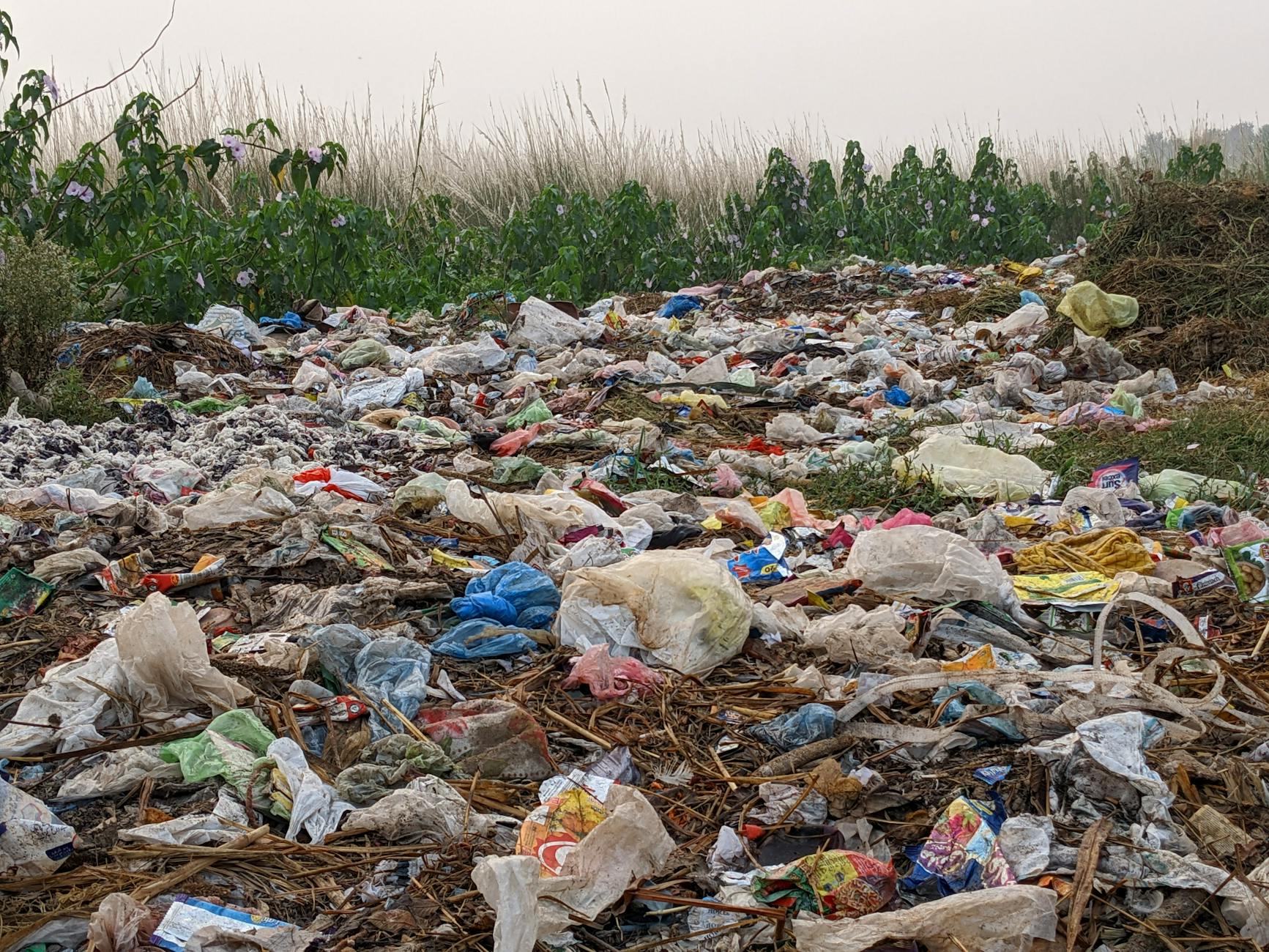
Plastic has become so normalized in modern life that most of us rarely notice it anymore. It stores our food, lines our receipts, wraps our produce, coats our cookware, and even exists invisibly in the air we breathe. Yet recent research suggests that this convenience may come with a serious biological cost.
Scientists are now finding microplastics — tiny fragments of broken-down plastic — not only in oceans and wildlife, but in human blood, lungs, placentas, arteries, and even brain tissue.
For many people pursuing yoga, Ayurveda, and holistic wellness, this raises an important question:
How do we live more consciously in a world saturated with synthetic materials?
The answer is not fear or perfectionism. It is awareness, reduction, and gradual shifts toward cleaner living. I’ve spoken about this before and feel strongly enough that I bring it up again 🙂 Here we go….
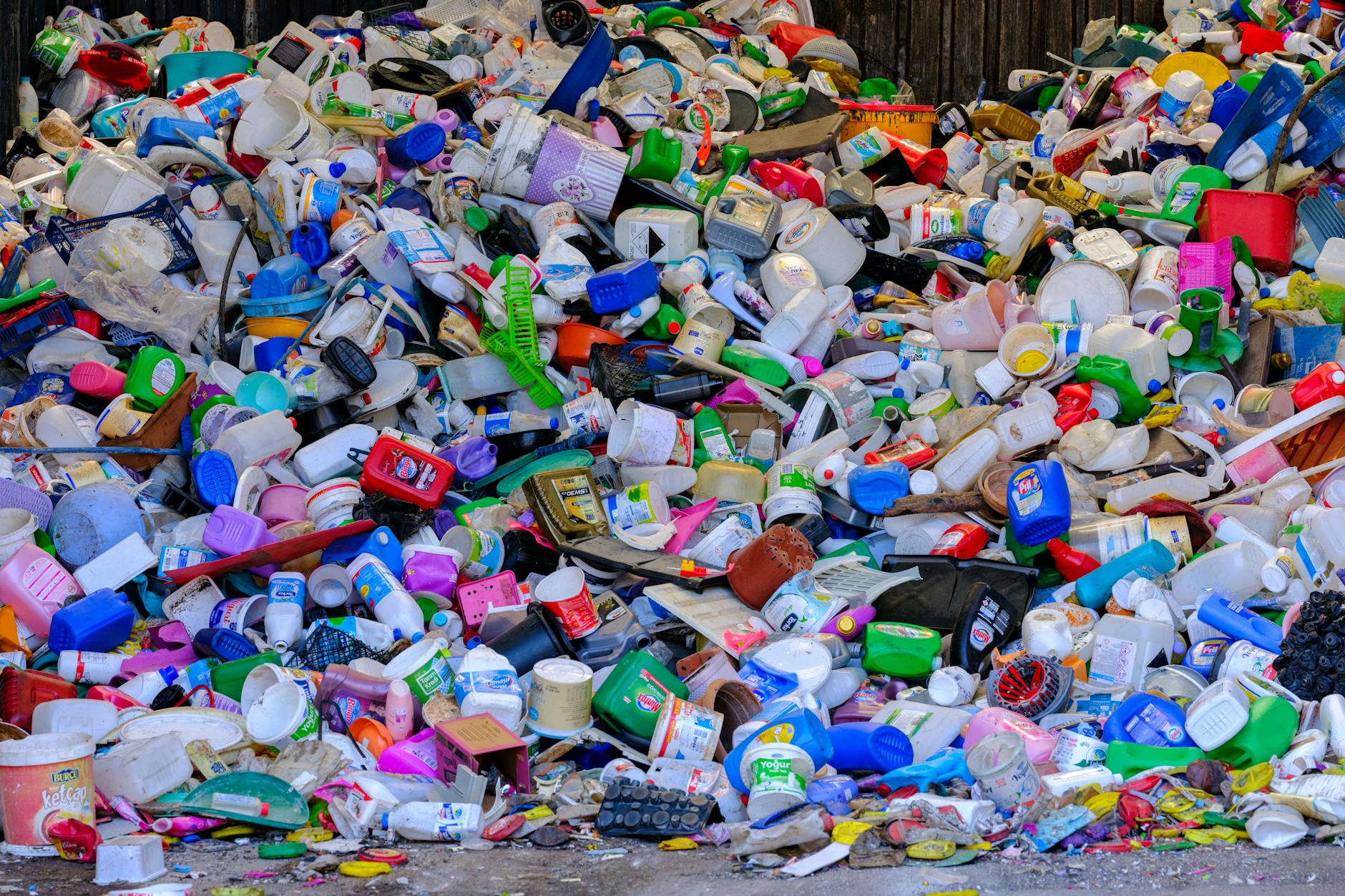
What Are Microplastics?
Microplastics are plastic particles smaller than 5 millimeters. Nanoplastics are even smaller — so tiny they may pass through cellular barriers.
These particles are created when plastics degrade from:
- Heat
- Sunlight
- Friction
- Washing
- Food storage
- Industrial manufacturing
Research published in 2025 suggests microplastics may contribute to inflammation, oxidative stress, endocrine disruption, and immune dysregulation.
Another 2025 study in Nature Medicine reported bioaccumulation of microplastics in human brain tissue, with higher levels found in dementia patients.
While scientists are still studying long-term health effects, the evidence increasingly suggests that plastic exposure is not merely environmental — it is deeply personal.
Common Household Sources of Plastic Exposure
Many of the biggest contributors are everyday items we use without thinking.
1. Plastic Food Containers
Heating food in plastic containers may accelerate the release of microplastics and endocrine-disrupting chemicals such as BPA and phthalates.
Better alternatives:
- Glass meal prep containers
- Stainless steel lunch boxes
- Silicone freezer bags
- Beeswax wraps instead of cling film
Helpful brands:
2. Nonstick Cookware
Many nonstick pans contain PFAS (“forever chemicals”), which can degrade with high heat and scratching.
Better alternatives:
- Cast iron
- Stainless steel
- Ceramic-coated cookware
Helpful resources:
3. Synthetic Clothing
Polyester, nylon, acrylic, and fleece release microscopic fibers during washing. These fibers eventually enter waterways and the food chain.
Studies now identify laundry microfibers as a major contributor to environmental microplastic pollution.
Better alternatives:
- Organic cotton
- Linen
- Hemp
- Wool (ethically sourced)
Helpful brands:
4. Plastic Water Bottles
Single-use water bottles may release plastic particles, especially when exposed to heat.
Better alternatives:
- Stainless steel bottles
- Glass bottles with silicone sleeves
- Reverse osmosis or carbon filtration systems
Helpful brands:
5. Tea Bags and Plastic Kettles
Many commercial tea bags contain polypropylene plastic that sheds particles when steeped in hot water.
A recent study also found some plastic kettles released billions of plastic particles into boiling water.
Better alternatives:
- Loose leaf tea
- Stainless steel kettles
- Ceramic or glass tea infusers
Helpful brands:
6. Personal Care Products
Many cosmetics, synthetic fragrances, and skincare products contain plastic-derived compounds.
Better alternatives:
- Minimal ingredient skincare
- Glass-packaged products
- Natural oils and herbal formulations
Helpful brands:
The Ayurvedic Perspective on Plastic and Toxic Load
While Ayurveda did not specifically discuss plastic, it spoke extensively about Ama — toxic accumulation resulting from improper digestion, environmental burden, and imbalance.
From an Ayurvedic lens, constant exposure to synthetic chemicals, overstimulation, and processed materials may contribute to:
- Agni disruption
- Hormonal imbalance
- Inflammation
- Mental dullness
- Nervous system aggravation
Ayurveda emphasizes reducing unnecessary toxic burden through:
- Freshly prepared food
- Natural fibers
- Copper, clay, steel, and glass vessels
- Herbal support
- Dinacharya (daily routine)
- Living in rhythm with nature
This mirrors many modern recommendations for reducing plastic exposure.
The yogic path has always encouraged simplicity, awareness, and harmony with the natural world. In many ways, choosing fewer plastics becomes not just an environmental act — but a spiritual and physiological one.
Practical Ways to Reduce Plastic Exposure
You do not need to eliminate all plastic overnight, though I kind of did. That was because I moved so many times each move was an opportunity to rid myself of things not serving me.
The most sustainable approach is gradual replacement.
Start with:
- Stop microwaving food in plastic
- Use a reusable water bottle!!!!! Big and easy one folks…..no excuses
- Replace scratched nonstick pans
- Buy fewer synthetic clothes
- Store food in glass when possible
- Ventilate your home regularly
- Choose whole foods over heavily packaged foods
Plastic pollution is no longer only an environmental issue. It has become a human health issue, a hormonal issue, and arguably a spiritual issue as well.
Modern science is only beginning to understand how deeply synthetic materials have entered the body and ecosystem. Yet ancient traditions like Ayurveda have long reminded us that what surrounds us eventually becomes part of us.
The goal is conscious living.
Every small shift toward cleaner materials, natural foods, mindful consumption, and simpler habits is a meaningful step toward greater health — for ourselves and the planet.